
How Crypto Payments Work on BC.Game
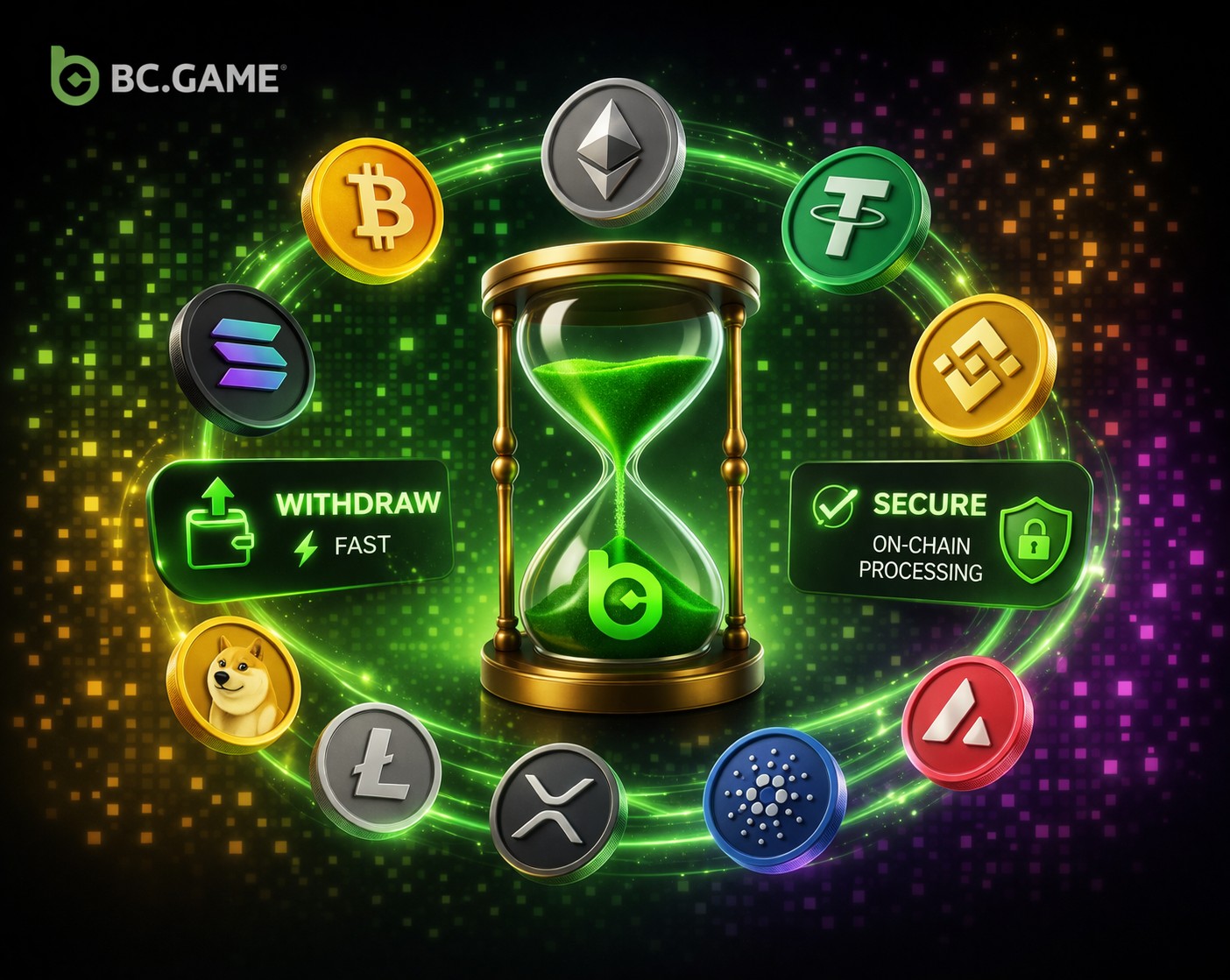
BC.Game uses a wallet-based crypto system. In simple terms, the user sends cryptocurrency from an external wallet or exchange, the blockchain confirms the transaction, and the credited amount appears in the BC.Game balance after the required confirmations. The platform itself highlights instant deposits, low fees, and one wallet across products, while Bitcoin.com’s BC.Game guide describes the same deposit flow in step-by-step form.
That means the payment process is direct. The user is not relying on a bank card or a standard bank transfer in the normal crypto flow. Instead, the main factors are the coin, the network, the destination address, and the confirmation speed of the blockchain being used. This is why two payments of the same size can still behave very differently if they are sent through different routes.
What You Need to Start
Before using crypto payments on BC.Game, it is best to have the basic requirements ready. Without them, the chance of user error rises sharply:
- time to verify the address before sending anything;
- a working crypto wallet or exchange account;
- the cryptocurrency you want to use;
- a basic understanding of the selected network;
- enough balance to cover the payment and any network fee/
For beginners, the most important point is that crypto transfers are not forgiving. If the address or network is wrong, the platform may not be able to recover the funds later. Bitcoin.com’s BC.Game guide specifically emphasizes checking wallet details and supported routes before sending.
How to Deposit Crypto on BC.Game
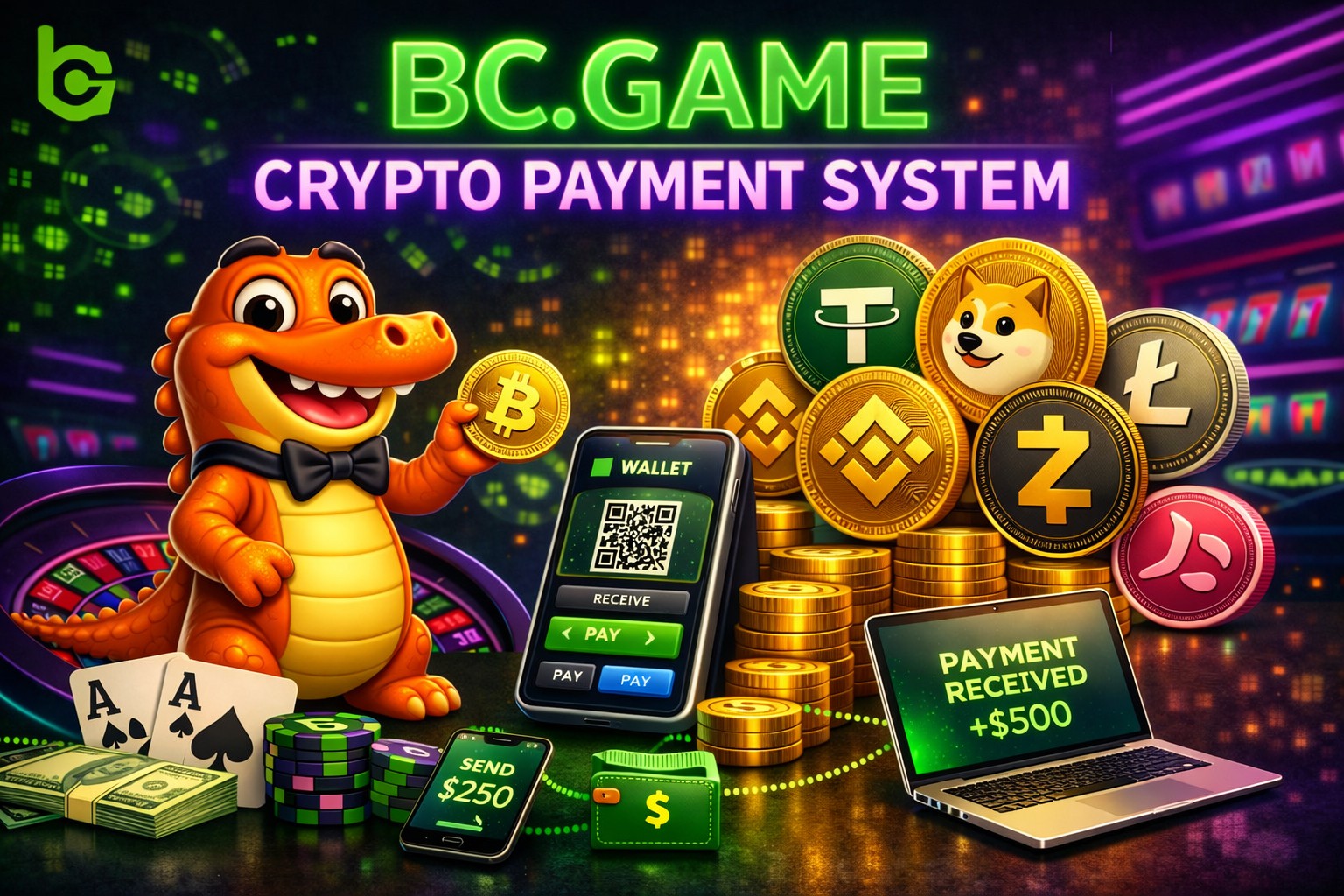
A deposit on BC.Game follows a predictable pattern. You open the wallet, choose deposit, select the coin, copy the deposit address, send funds from your external wallet, and then wait until the network confirms the transaction. That is the core process described in Bitcoin.com’s BC.Game guide and supported by the platform’s own crypto-first wallet model.
The procedure sounds simple because it is simple, but crypto payments reward patience. The deposit itself is easy to initiate. The real responsibility comes from making sure the asset and the route match the wallet settings shown by the platform.
Step-by-Step Deposit Guide
A standard deposit flow usually looks like this:
- Wait until the balance is credited after confirmation.
- Log in to your BC.Game account.
- Open the wallet or deposit section.
- Choose the cryptocurrency you want to send.
- Select the correct network if the coin supports more than one.
- Copy the deposit address or scan the QR code.
- Send the funds from your wallet or exchange.
This is the most practical answer to the “how do I pay” intent. A user is not really “paying” in the traditional card sense. They are moving value on-chain into the BC.Game wallet. The blockchain validates the transfer, and then the site reflects the result in the user’s account balance.
Deposit Confirmation Process
Crypto deposits are not always instant. Even if a transaction is broadcast immediately, the funds still need to pass the confirmation stage before they appear in the account. Bitcoin.com’s BC.Game guide makes this clear by describing network confirmations as part of the deposit process, and recent review sources also describe crypto payments as near-instant only in ideal conditions, not universally guaranteed.
That means users should expect a short wait in normal cases and a longer wait when the network is busy. The platform interface may react quickly, but the chain still decides the final timing.
Crypto Payment Methods Available
BC.Game’s official homepage explicitly names BTC, ETH, DOGE, TRX, XRP, UNI, and DeFi tokens. Bitcoin.com’s BC.Game guide expands the practical list and points to commonly used options such as USDT, BTC, ETH, SOL, BNB, LTC, XRP, TRX, ADA, and AVAX. Review coverage from 99Bitcoins and other casino reviewers also describes BC.Game as supporting a large crypto catalog rather than only a small set of flagship coins.
For everyday use, the most relevant names are usually:
| BTC | XRP | USDT |
| ETH | LTC | TRX |
The exact live list may vary by wallet view, network availability, and current platform configuration. That is why the live cashier remains the final source before sending funds, even when guide articles provide strong reference lists.
Most Convenient Options for Payments
Some coins are simply easier to use than others depending on the goal.
- USDT is often the easiest for budget control because it keeps a more stable value.
- TRX and XRP are often chosen for cheaper and faster movement.
- BTC remains popular because it is the best-known cryptocurrency and widely supported by wallets and exchanges.
This is why there is no single perfect payment method for everyone. The best choice depends on whether you care most about stable value, faster settlement, or direct use of a familiar major asset.
Understanding Payment Networks
The network is one of the most important parts of the payment process. Many new users focus only on the coin name, but the selected blockchain route often decides how expensive and how fast the payment will be. Bitcoin.com’s BC.Game comparisons make this especially clear when discussing USDT, since the same stablecoin can exist on more than one chain.
Common Networks Used
The most common network names users are likely to see are:
- TRC20 – usually faster and cheaper
- ERC20 – widely supported, but often more expensive
- BEP20 – often a middle-ground option on supported wallets
A simple comparison looks like this:
| Network | General speed | General fee level | Practical impression |
| TRC20 | Fast | Low | One of the best routine routes |
| ERC20 | Moderate | High | Broad support, but expensive |
| BEP20 | Moderate to fast | Lower than ERC20 | Useful where supported |
| BTC network | Slower | Medium to high | Best for direct BTC movement |
Matching Network and Wallet
This is the most important rule in the entire payment process: the network must match the receiving wallet. If the platform expects one route and the user sends through another, the funds may not arrive correctly. Bitcoin.com’s BC.Game material is very clear that network mismatch is one of the main avoidable risks in crypto transfers.
In practical terms, the user should always confirm three things before sending:
- the coin is correct
- the address is correct
- the network is correct
If one of those elements is wrong, the error may be permanent. That is why crypto payments require more careful confirmation than many users are used to with bank cards or e-wallets.
Payment Speed and Processing Time
Crypto payment speed on BC.Game depends on both the platform and the network. The site promotes instant deposits, but practical guides and reviews make clear that the blockchain still controls the final pace. In other words, a payment can be started instantly without being completed instantly.
Instant vs Delayed Payments
Some routes are naturally faster than others. Lighter transfer networks like TRX and XRP are commonly described as quicker for everyday movement, while BTC is slower because it depends on Bitcoin block confirmations. Stablecoins on TRC20 also tend to be treated as fast practical routes in BC.Game-related guides.
That means “instant” should be understood as a best-case experience, not as a guarantee for every coin and every situation. A quick route can take minutes. A slower one can take longer, especially under load.
Factors Affecting Payment Time
The most common factors are:
- network congestion
- the selected cryptocurrency
- the number of confirmations required
- wallet-side recognition rules
- temporary technical slowdowns
A practical summary looks like this:
| Factor | Effect on timing |
| Busy network | Slower confirmation |
| Lighter coin/route | Usually faster movement |
| Heavier chain | Longer wait possible |
| More confirmations needed | Slower crediting |
| Wallet compatibility issues | Can delay recognition |
Fees When Paying with Crypto
The main fee in crypto payments is usually the network fee, not a traditional platform-side processing fee. BC.Game’s official messaging emphasizes low fees, while reviewers such as CCN note that deposits may not carry extra platform charges even though blockchain costs still apply.
This means the user is really paying the blockchain for movement of funds, not paying a bank-like fee to the site for the act of deposit itself. That is an important difference because it explains why costs vary so much from one route to another.
Which Payments Are Cheapest
The cheapest routes are usually:
- TRX
- XRP
- USDT on TRC20
- SOL
- LTC
These are often chosen by users who want to keep transfer costs low while still moving funds quickly. For many day-to-day payments, that is more practical than relying on heavier chains.
High-Fee Payments to Avoid
The more expensive routes are usually:
- ERC20-based transfers
- BTC during periods of higher congestion
- ETH when the chain is busy
That does not mean these routes are bad. It just means they are often less efficient for small or routine deposits when a cheaper alternative is available.
Common Mistakes When Using Crypto Payments
Most serious crypto-payment problems are caused by user error, not by the site itself. That may sound harsh, but it is useful because it means many failures are preventable. Bitcoin.com’s BC.Game guide frames address mistakes, route mistakes, and poor fee awareness as key sources of trouble.

Choosing Incorrect Network
This is just as dangerous. If the user selects the wrong network, the funds may fail to arrive correctly, and recovery may not be possible. Network mismatch is one of the clearest examples of how crypto payments differ from standard banking tools.
Sending Funds to Wrong Address
This is the most serious error. If the user sends funds to the wrong wallet address, the transfer may be unrecoverable. Blockchain payments are generally final once confirmed.
Not Checking Fees Before Sending
Some users also forget to check the fee before they confirm. That can make the final credited amount smaller than expected or make a small transfer inefficient. A deposit may technically work and still be a poor decision if the network fee consumes too much value.
How to Use Crypto Payments Efficiently
The best way to use crypto payments on BC.Game is to keep the process simple and repeatable.
- verify the address carefully
- verify the network carefully
- prefer faster and cheaper supported routes when practical
- start with a smaller amount if the wallet or route is new
- keep records of transaction IDs when needed
That last point matters because efficient use is not only about speed. It is also about reducing the chance of an expensive mistake. The fastest route in the world is not helpful if the user sends funds to the wrong place.
Advantages of Paying with Crypto on BC.Game
Crypto payments fit BC.Game naturally because the whole platform is designed around them. The main advantages are practical:
- quick wallet-based deposits
- global access without relying entirely on banks
- wide support for multiple coins and routes
- one-wallet experience across the platform
For users who already hold digital assets, this model often feels smoother than traditional casino payment methods. It removes part of the banking friction and aligns better with how crypto-native users already move money online.
Risks of Crypto Payments
A balanced article also needs the downside. Crypto payments come with real trade-offs:
- mistakes can be irreversible
- non-stablecoin balances can be volatile
- fees vary with network conditions
- some chains are slower than others
These risks do not make crypto unsuitable. They simply mean the user has more responsibility than with a standard card payment. Transparency and control come with the need for greater accuracy.